Electric Bike Hire and Routes in Luxembourg City: Where to Rent and Best Trails for 2025
Luxembourg's compact capital and scenic countryside offer perfect terrain for electric bikes, with dedicated paths along the Alzette Valley, formal rental schemes in Ville Haute and Gare districts, and battery-assisted climbs up the Bock casemates that let you cover the UNESCO sites without breaking a sweat.
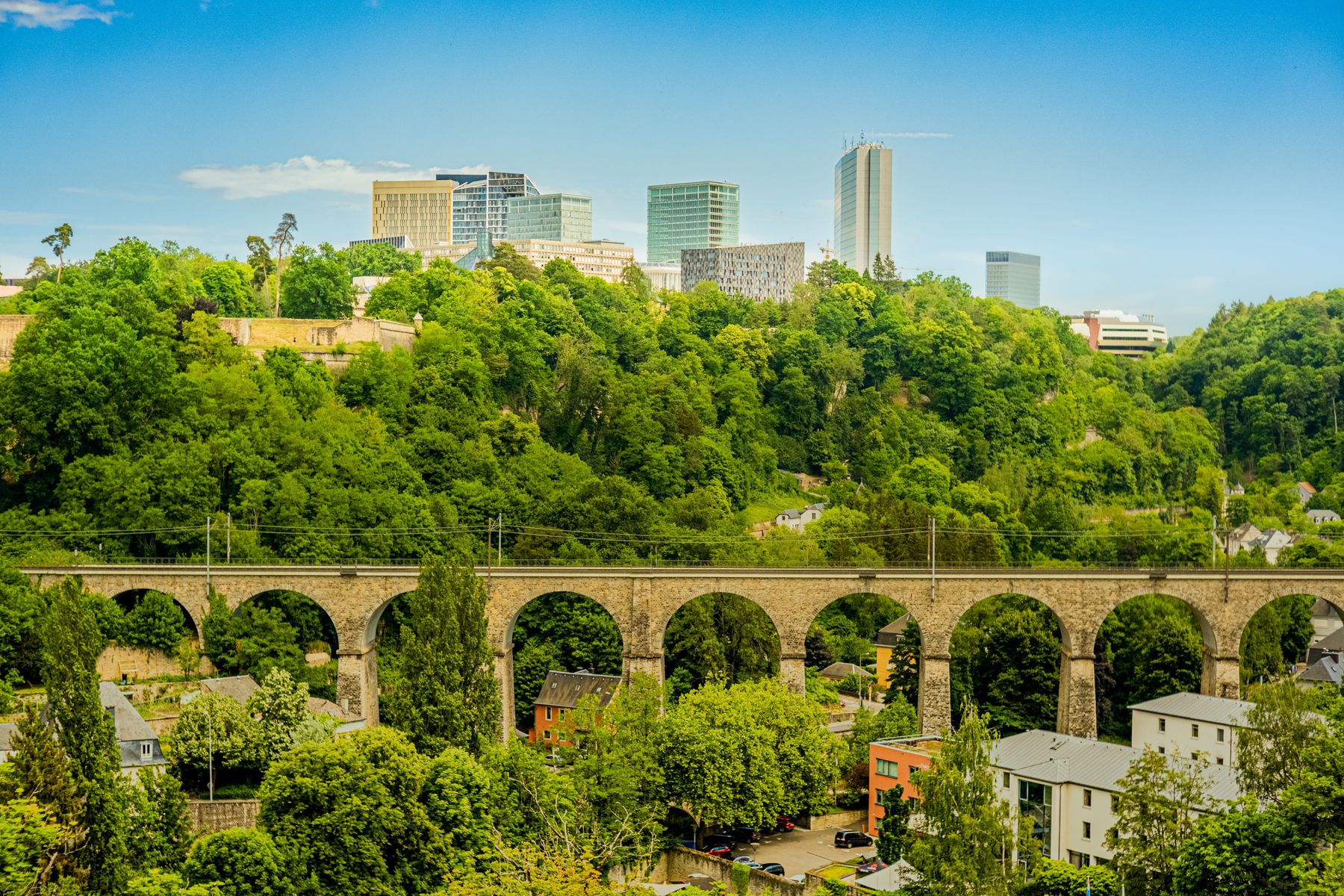
Vel'OH! bike-share and where to find electric models in the capital
Luxembourg City operates Vel'OH!, the public bike-share network with more than seventy docking stations scattered from the Kirchberg plateau down to the Grund riverside quarter. About one-third of the fleet now consists of electric-assist bikes marked with a green handlebar badge, and you unlock them using the same app or card as the mechanical pedal bikes. Stations cluster heavily around Place de la Gare—look for the racks outside the main railway concourse and along Avenue de la Liberté—making it easy to grab a bike the moment you arrive and pedal straight to your hotel in Ville Haute or Bonnevoie. The first thirty minutes cost one euro fifty, then two euros per half-hour after that; a day pass runs seven euros and covers unlimited rides under thirty minutes each, which works well if you plan to hop between the Philharmonie concert hall, the Mudam modern-art museum on Kirchberg, and the old town ramparts.
Private rental shops fill the gaps where Vel'OH! docking points thin out. Rent a Bike Éislek, despite its name, keeps a branch on Rue Chimay in the Gare district and stocks twenty-speed Bosch-powered e-bikes that handle the steep cobbles of Chemin de la Corniche without protest. Expect to pay around thirty-five euros for a full day, forty-five if you want a second battery for longer valley rides toward Hesperange or Strassen. The shop opens at nine and prefers advance booking by email during May to September, when demand from cruise passengers arriving at the Moselle jumps. Vélo en Ville, a non-profit cooperative near Place d'Armes, offers guided electric-bike tours every Saturday morning through the Pétrusse Valley and lends bikes to hotel guests at a discounted twenty-eight euros per day if you show a booking confirmation from a city-centre property; that rate includes helmet, lock, and a waterproof pannier for jackets—Luxembourg weather shifts fast even in summer.
Top routes: Alzette trail, Pétrusse casemates loop, and the Cents-Hamm greenway
The Alzette Cycleway runs twelve kilometres from the Ville Haute ramparts south to Hesperange, hugging the river through beech woods and past the restored Domaine Thermal spa complex. Start at the Rham plateau elevator—locals call it the Pfaffenthal lift—which drops you sixty metres down to the valley floor in thirty seconds, saving your legs for the ride itself. The path is tarmac the whole way, wide enough for two bikes abreast, and climbs no more than three per cent gradient until you reach Hesperange's medieval tower, where a small boulangerie on Rue de la Gare sells quiche and coffee until three in the afternoon. Return the same way or loop back through Howald, adding another six kilometres but treating you to views of the Kirchberg viaduct from below; an electric bike handles the steady rise back to Clausen without fuss, whereas a manual pedal bike will have you walking the final slope past the Neimënster abbey.
For a shorter urban loop that still covers the postcard views, ride the Pétrusse casemates circuit. Pick up a Vel'OH! bike at Place de la Constitution, then follow Rue Notre-Dame downhill to the Pétrusse park entrance. The tarmac path winds under the Adolphe bridge arches—bring a camera for the stone viaduct shot everyone shares—and continues to the Hollerich plateau, three kilometres out and back. Turn around at the municipal swimming-pool roundabout or push another kilometre to the Gasperich tram terminus, where new residential blocks are sprouting around the former industrial zone. Heading back, detour left into Grund, park your bike at the Rue Münster rack, and walk two minutes uphill to Saint Jean du Grund church; the crypt dates to 1309 and stays open until five most afternoons. The entire loop clocks nine kilometres and takes ninety minutes if you pause for photos and a beer at one of the riverside terraces along Rue de Trèves.
The Cents-Hamm greenway appeals to riders who want flat paths and fewer tourists. This eastern corridor follows an old railway spur from the Kirchberg tram stop out to Hamm military cemetery, the resting place of General Patton and five thousand Second World War graves maintained by US and Luxembourg authorities. The route is arrow-straight for seven kilometres, shaded by pollarded willows, and intersects the Senningerberg road at a signalled crossing where you can detour one kilometre south to Findel Airport viewing area if you enjoy watching approach patterns. Hamm village itself has a single café—Beim Renert—that serves tarte flambée on Fridays and weekends; it closes Mondays. Ride back via Cents if you have energy remaining, stopping at the pond near Rue de Trèves for the surprising population of nesting grebes and coots that thrive despite being a fifteen-minute pedal from the city's main train hub.
Practical tips: battery range, charging stops, and weather windows
Most hire e-bikes in Luxembourg carry Bosch PowerTube 500 batteries good for sixty to eighty kilometres on eco mode, depending on how much you lean on assist levels. If you plan the Mullerthal Trail extension—discussed below—or a day trip to Remich on the Moselle, ask for a dual-battery setup or book the rental with a mid-ride charging stop included. Hotels in Clausen and Grund increasingly offer secure bike storage with charging points; ask when you book whether a standard Bosch charger is available, because hauling your rental shop's proprietary plug back and forth is awkward. The Sofitel Luxembourg Europe on Kirchberg and Novotel Kirchberg both maintain bike-storage cages and let guests charge e-bikes overnight at no extra fee, a selling point if you arrive by train with your own equipment or want to ride daily without worrying about juice.
Weather drives timing more than most visitors expect. June and early September offer the longest daylight and least rain—Luxembourg sees about fourteen days of precipitation per month year-round, but summer showers tend to be short and warm. May mornings can drop to eight degrees Celsius in the valleys, cold enough to numb fingers on the brake levers; pack a windproof layer even if the forecast promises sun by noon. July and August bring afternoon thunderstorms that roll in from the Ardennes around three, so finish valley rides before two if clouds gather northwest. Winter electric biking is feasible—Vel'OH! runs year-round, and paths are salted—but shorter daylight and icy patches under the Pont Grande-Duchesse Charlotte make a December ride more hassle than joy unless you are a committed cyclist who relishes empty trails.
Longer excursions: Mullerthal Trail spur and Moselle wine valley
The Mullerthal Trail proper is a hundred-kilometre hiking circuit through sandstone gorges and beech forest east of the capital, but an official e-bike spur cuts thirty-eight kilometres from Luxembourg City to Echternach abbey and back via Junglinster. The outbound leg climbs steadily from Hamm through Niederanven and Ernster, villages that bleed into farmland, then descends into the Sûre Valley at Geyershaff. Carry a second battery or plan lunch and a charge at Heringer Millen restaurant in Müllerthal village; they open noon to two and offer a set menu of smoked trout and Riesling for twenty-two euros, plus a wall socket near the cloakroom if you ask politely. The return leg follows the Sure past Grundhof castle ruins—free entry, just a fence and an information board—before rejoining the main road at Junglinster. Budget six hours including stops; this is an all-day commitment best started before ten to avoid riding the final stretch in dusk.
The Moselle wine valley lies southeast and requires either a train+bike combination or a very fit rider. The rail line from Luxembourg Gare to Wasserbillig takes thirty-five minutes and accepts bikes in the designated carriage for free outside morning peak; from Wasserbillig, follow the Moselle Cycleway signposts north along the river to Grevenmacher, Remich, and Schengen, the village that gave its name to the open-border treaty. This stretch is dead flat and paved the entire thirty-two kilometres, with winery tasting rooms every few kilometres—Poll-Fabaire in Wormeldange and Caves St Martin in Remich both welcome drop-in tastings for five euros, refundable against a bottle purchase. Schengen village itself is touristy, crowded with coach groups photographing the treaty monument, but the riverside promenade two hundred metres south stays quiet and offers benches under plane trees where you can rest before the ride back. Return trains from Wasserbillig run hourly until eight in summer, half-hourly until six in winter; check CFL timetables before you set out because missing the last connection means a forty-kilometre night ride on unlit roads.
Why base yourself in Luxembourg City for e-bike trips
Staying in the capital gives you immediate access to Vel'OH! stations and the valley descents without needing a car to reach trailheads. Hotels around Place de la Gare—Ibis Styles, Campanile, and the independent Hotel Grey—sit within fifty metres of bike-share docks and multiple rental shops, letting you roll out for a morning Alzette ride before breakfast crowds arrive. The Gare district is less picturesque than Ville Haute or Grund, true, but rates run twenty to forty euros lower per night—mid-range doubles typically land between ninety and one hundred thirty euros in June or September—and you save the taxi fare or uphill slog from valley accommodations. If you prefer sleeping closer to the old-town ramparts, book in Clausen or on Boulevard Royal; both neighbourhoods have docking stations and lie within a five-minute coast down to the Pétrusse or Alzette paths.
Kirchberg hotels suit travellers who prioritize modern amenities and direct access to the Mullerthal spur route. The Novotel and Sofitel properties near Place de l'Europe offer underground bike storage, on-site restaurants open until ten, and tram connections into Ville Haute that run every seven minutes—useful if you want dinner variety without pedalling back uphill after wine. Rooms here cost ten to twenty euros more than Gare equivalents but include reliable charging infrastructure and staff accustomed to bike-trip questions. Avoid booking in Gasperich or Howald unless you have a car, because those southern suburbs lack convenient trailheads and rely on infrequent bus links; the time lost commuting to a decent ride outweighs any savings on the room rate. Ground-floor or courtyard-view rooms in any hotel simplify hauling bikes in and out if you bring your own, though most Luxembourg properties now provide secure outdoor racks or cages after years of guest requests.
Booking tips and what to skip
Reserve electric bikes at least three days ahead during May to October; weekend availability evaporates by midweek as local families and visiting Germans snap up the limited e-bike stock. Rental shops often list available inventory online, but that count includes mechanical bikes, so phone or email explicitly asking for electric-assist availability before committing your dates. If you arrive without a booking and Vel'OH! stations show no green-badged bikes available, try again after six in the evening when commuters return their rides, or walk to the secondary cluster of stations around Glacis tram stop—those docks see less tourist traffic and often hold one or two e-bikes even on busy Saturdays.
Skip the commercial guided e-bike tours unless you genuinely want a group outing and commentary. Operators charge seventy to ninety-five euros per person for three-hour rides that cover the same Alzette or Pétrusse paths you can ride alone for under ten euros using Vel'OH! or a day rental. The guides do provide historical anecdotes—how the Bock casemates sheltered thirty-five thousand civilians during the 1794 siege, why the Adolphe bridge cost three times its budget—but you can read equivalent detail on the city's free audio-guide app while pausing wherever you like. The sole exception is the Moselle winery tour run by Rent a Bike Éislek on Thursdays from June to September; that ninety-euro package includes train tickets, bike rental, three winery stops with pre-arranged tastings, and lunch at a partnered restaurant, stitching together logistics that would take you hours to coordinate independently. Avoid riding in the Ville Haute pedestrian zone—Rue du Marché-aux-Herbes, Rue Philippe II—on Saturday afternoons; the crowds force you to walk your bike anyway, and impatient café-goers mutter complaints as you squeeze past tables.
Questions, answered
Can I use a standard pedal bike instead of electric for Luxembourg City hills?
Yes, if you have reasonable fitness, but the climbs from Grund or Clausen back up to Ville Haute average twelve per cent gradient over half a kilometre—steep enough that most casual cyclists end up walking. Electric assist removes that frustration entirely and lets you ride continuous loops without exhausting yourself before lunch. Vel'OH! mechanical bikes cost half the price, so try one on a short test ride; if you find yourself pushing uphill, swap to an e-bike at the next docking station.
Are the bike paths safe for children and nervous riders?
The Alzette and Pétrusse valley paths are fully segregated tarmac trails with no car traffic, gentle gradients, and wide sightlines—ideal for families and beginners. The Mullerthal spur and Moselle route share sections of road with farm vehicles and occasional lorries, requiring confidence in road riding. Children under twelve must wear helmets by Luxembourg law, and most rental shops include child seats or tag-along trailers for under-eights if you request them when booking.
What happens if my rental e-bike battery dies mid-ride?
All hire e-bikes function as normal pedal bikes when the battery depletes, just heavier by three or four kilograms. Rental shops provide a phone number for emergency pickup, though response time can stretch to ninety minutes on busy weekends. Carry a portable phone charger so you can call if needed, and always start rides with a full battery indicator—shops should hand you a topped-up bike, but check the display before leaving their premises.
Do I need to book hotels near specific neighbourhoods for easy bike access?
Gare district, Clausen, and Kirchberg all have excellent bike infrastructure and trail proximity. Ville Haute properties offer postcard views but often lack bike storage and sit atop hills that negate the convenience of being central. Grund hotels provide valley access but mean you finish every ride with a climb home. Gare strikes the best balance—flat, affordable, and adjacent to both Vel'OH! hubs and the Alzette descent.
Can I ride an e-bike across borders into Germany, France, or Belgium during my stay?
Rental agreements typically forbid taking bikes outside Luxembourg without written permission, mainly for insurance reasons. The borders with Germany at Wasserbillig and Schengen lie along established cycle routes, so technically nothing stops you, but if theft or damage occurs abroad, you will pay full replacement cost—often upward of two thousand euros. If you want cross-border rides, mention it when booking so the shop can add international cover for a ten-euro daily surcharge.
Doing good is the business: every booking through Stay Luxembourg funds one verified tonne of carbon removal — same room, same price, no markup.
Start Your Search